
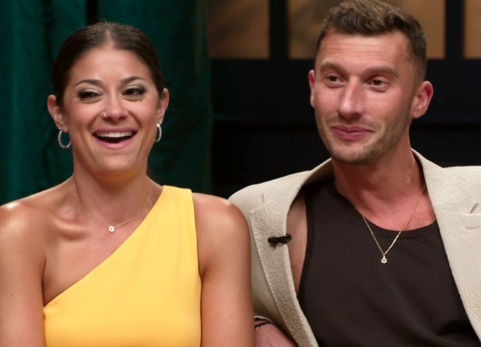
Pink Shade VIDEO: 90 Day Fiance (s12e4) “Forsaking All Others” with Kimberly
The world of *90 Day Fiance* is no stranger to drama, deception, and the often-unforeseen consequences of coupling up across continents. Yet, even for seasoned viewers accustomed to the franchise’s inherent turbulence, the recent, unexpected reappearance of Jeffrey Poshel on Netflix has sent shockwaves through the fandom, igniting a firestorm of questions and forcing a grim re-evaluation of past casting decisions. This is not a story of a romantic reunion or a heartwarming redemption arc; instead, it’s a stark reminder of how reality television can intersect with darker realities, leaving audiences both stunned and deeply disturbed.
For those who followed Jeffrey’s journey on *90 Day Fiance*, his name conjures a specific, albeit complicated, memory. He was introduced to audiences as a potential suitor, a man navigating the complexities of international romance with the hope of finding lasting love. However, the narrative woven around him on TLC was merely the prologue to a far more harrowing chapter that unfolded in the shadows, away from the dazzling lights of reality television. His story, once confined to the carefully curated world of confessionals and staged dates, has now been thrust back into the spotlight, not through a celebratory return, but via a chilling new true crime documentary.
The sheer audacity of Jeffrey Poshel’s presence on Netflix, in a format dedicated to dissecting real-life criminal endeavors, has left fans reeling. The initial reaction was one of utter bewilderment. Was this a forgotten cameo? A strange anomaly? The reality, however, is far more profound and unsettling. This isn’t a casual mention or a fleeting glimpse; Jeffrey Poshel is reportedly a central figure, his past actions being laid bare for public consumption in a documentary that promises to delve into the disturbing details of his alleged transgressions.
The immediate and most pressing question echoing across social media platforms and fan forums is a damning indictment of the casting process itself: **How on earth did TLC ever deem Jeffrey Poshel a suitable candidate for *90 Day Fiance*?** This isn’t a minor oversight; it’s a significant lapse in judgment that has now been amplified by his undeniable presence in a true crime exposé. The inherent appeal of *90 Day Fiance* lies in its exploration of love, cultural differences, and the challenges of building a life together. However, the inclusion of individuals with potentially dark or criminal backgrounds introduces an ethical quandary that transcends the show’s entertainment value.
This re-emergence forces a critical examination of the vetting process employed by TLC. Were there warning signs that were overlooked? Were background checks insufficient? Or, perhaps more disturbingly, was the potential for a “shocking” storyline deemed more valuable than the integrity of the individuals involved and the safety of the audience’s perception? The implications are far-reaching, casting a shadow over the show’s credibility and raising concerns about the duty of care owed to both participants and viewers.
Jeffrey’s story, as it was presented on *90 Day Fiance*, painted a picture of a man seeking connection. However, the true crime documentary is now revealing the terrifying reality that lay beneath the surface. While specific details of the documentary’s content are still emerging, the mere association of Jeffrey Poshel with a true crime narrative suggests a history far removed from the romantic aspirations showcased on TLC. It hints at a past riddled with actions that have had, or could have had, devastating consequences for others.
The impact of this revelation on the *90 Day Fiance* fandom is multifaceted. Firstly, there is a sense of betrayal. Fans invested their time and emotional energy into following Jeffrey’s story, believing in the narrative presented to them. To discover that this narrative may have masked a far more sinister truth is a disorienting experience. It forces them to question the authenticity of other storylines and the motivations behind the casting choices.
Secondly, there is a palpable sense of unease and perhaps even fear. The world of *90 Day Fiance* is often viewed as a relatively safe space for escapism, a place to observe the highs and lows of human relationships. The intrusion of serious criminal allegations shatters this illusion, reminding viewers that the lines between entertainment and reality can be blurred to a dangerous degree.
Furthermore, this incident inevitably brings to mind other controversial casting decisions and on-again, off-again relationship dynamics that have plagued the franchise. While not all past participants have been implicated in criminal activities, the recurring themes of deception, manipulation, and questionable intentions have always been present. Jeffrey Poshel’s Netflix debut acts as a stark, undeniable example of how these underlying issues can escalate into something far more serious and consequential.
The true crime documentary’s focus on Jeffrey Poshel’s past doesn’t just tarnish his individual reputation; it casts a long, dark shadow over the entire *90 Day Fiance* empire. It forces a confrontation with the ethical responsibilities of reality television production. When does the pursuit of ratings and dramatic content cross a line into the realm of exploitation and irresponsibility? This is the central question that Jeffrey Poshel’s unexpected Netflix re-emergence has forced the industry, and its dedicated viewership, to confront.
As more details about the true crime documentary emerge, the full scope of Jeffrey Poshel’s story and TLC’s role in its initial presentation will undoubtedly become clearer. However, one thing is certain: the fans are watching, they are questioning, and they are demanding answers. The ghost of reality past has returned, not for a reunion, but for a reckoning, and the implications for *90 Day Fiance* and the broader landscape of reality television are profound and undeniably dramatic. The comfort of escapism has been replaced by a chilling reminder that sometimes, the most shocking stories are not fiction, but the unvarnished, and often dark, truths that lie beneath the surface of the shows we watch.