
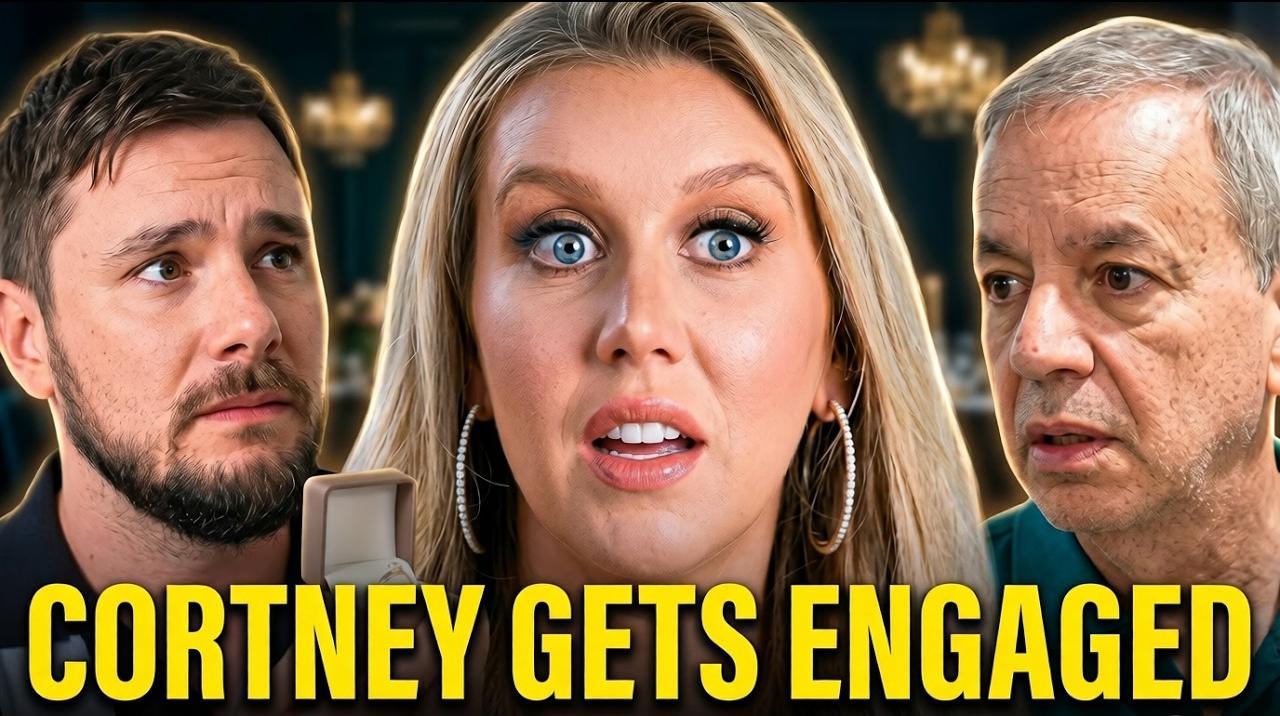
EXPOSED! | Cortney Gets Engaged | Colt & Cortney SEPARATED | 90 Day Fiancé
The glittering facade of reality television, often a carefully curated spectacle of opulent lifestyles and manufactured drama, is beginning to show its true, raw underbelly. In the latest installment of “The Real Housewives of Harmony Creek,” the superficial veneer of perfection has shattered, revealing a profound emotional crisis that is shaking the very foundations of the show’s most prominent figures. What began as a tantalizing peek into the lives of affluent socialites has morphed into a stark and unsettling examination of mental health, the pressures of constant public scrutiny, and the desperate search for authentic connection.
At the heart of this unfolding drama is the increasingly volatile emotional state of Tammy, a fan favorite whose infectious laughter and seemingly effortless grace have long been a cornerstone of the series. However, recent episodes have painted a starkly different picture, one of pervasive sadness, withdrawal, and a palpable struggle to maintain composure. The once vibrant personality is now shadowed by a weariness that has not gone unnoticed by her fellow housewives, nor, more importantly, by her devoted partner.
The pivotal moment in this arc arrives during a seemingly innocuous outing to a local park. The setting, typically a backdrop for playful banter and sun-drenched gatherings, becomes a crucible for raw honesty. Tammy’s partner, whose name is blessedly omitted from the producers’ sensationalized narratives, initiates a conversation that is as courageous as it is fraught with trepidation. The internal monologue of this individual reveals a profound love and concern, grappling with the fear of alienating Tammy while recognizing the undeniable shift in her demeanor. “I was kind of nervous to ask Tammy to come to the park and open up with her feelings because she’s not the greatest at that, but I’m not either, so I understand it,” they confide to the camera, admitting to their own vulnerabilities in the process. This candid admission immediately humanizes the seemingly stoic partner, transforming them from a mere supporting player into a figure of empathetic struggle.
The crux of the partner’s concern, and indeed the central conflict of this season, is Tammy’s undeniable distress. “But this is not the same Tammy that I fell in love with,” they lament, a statement that resonates with a chilling authenticity. The show’s audience, accustomed to witnessing Tammy’s social triumphs and her adept navigation of the show’s often manufactured conflicts, is now confronted with a woman who appears to be losing herself. The implication is clear: the relentless demands of maintaining a public persona, coupled with the inherent pressures of living a life under constant observation, have taken a significant toll.
Tammy’s own admissions, though initially hesitant, further illuminate the depth of her internal turmoil. “Something has to get better. I don’t want to feel like this anymore. I just can’t,” she confesses, her voice laced with a desperate plea for change. This raw vulnerability, stripped bare of the usual performative bravado, is what makes this storyline so compelling and, for many viewers, deeply relatable. The carefully constructed illusion of perfect lives is crumbling, exposing the universal human experience of struggle and the yearning for emotional well-being.
The proposed solution, offered with a gentle sincerity that underscores the depth of care, is the introduction of professional help. “So, what do you think? Like, how would you feel about seeing like a therapist? Do you feel comfortable doing that?” the partner gently inquires, presenting the option not as a judgment, but as a pathway towards healing. The deliberate framing – “it might be good for you, like to, you know, it’s up to you, though” – emphasizes agency and respect, a stark contrast to the often coercive dynamics that can plague reality television. This approach highlights the crucial distinction between orchestrated conflict and genuine support, suggesting a maturity in the partner’s approach that is rare to witness in this genre.
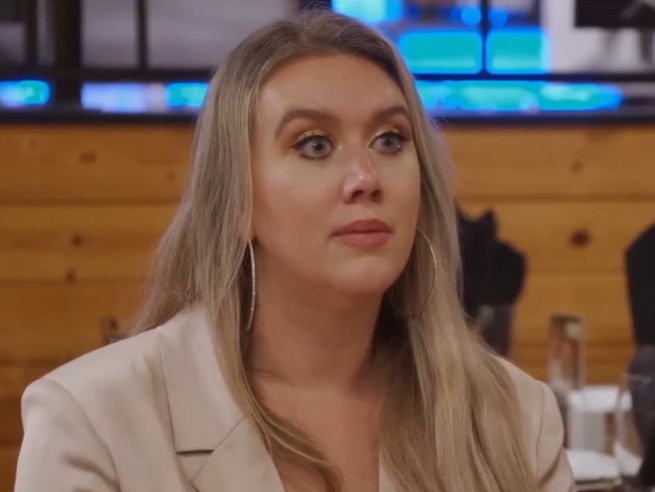
The inclusion of therapy in a reality TV narrative is a bold and significant move. It signals a departure from the typical emphasis on external conflicts – spats over designer handbags or staged dinner party blowouts – and delves into the more complex and often invisible battles waged within. By openly exploring the possibility of professional intervention, “The Real Housewives of Harmony Creek” is not only pushing the boundaries of what is considered palatable for mainstream entertainment but is also, inadvertently perhaps, sparking important conversations about mental health stigma.
The implications of Tammy’s journey extend far beyond the confines of the show. In a world where carefully curated online personas often dictate perceptions of success and happiness, Tammy’s struggle serves as a potent reminder that behind every flawless selfie and every posed vacation photo, there can be a person grappling with internal demons. The partner’s selfless dedication, their willingness to prioritize Tammy’s well-being above the demands of the show, offers a glimmer of hope and a testament to the enduring power of genuine human connection. “You need to take care of yourself and whatever that might entail, including therapist, doctor, meds, change, whatever it takes. Cuz at the end of the day, if you feel better, it’ll make our lives better, too,” they articulate, a profound statement of love and commitment that transcends the manufactured drama. This sentiment, devoid of any self-serving agenda, powerfully underscores the idea that true happiness and fulfillment are not found in external validation or public adoration, but in the internal work of self-discovery and healing.
As the season progresses, viewers will undoubtedly be watching with bated breath, not to witness further schadenfreude, but to witness Tammy’s potential recovery. The success of this storyline hinges not on a dramatic confrontation or a sensational exposé, but on the quiet, arduous, and ultimately triumphant journey towards self-care and emotional resilience. “The Real Housewives of Harmony Creek” is no longer just about the lives of the rich and famous; it is becoming a poignant, if unintentionally so, exploration of the human spirit’s capacity for both profound vulnerability and extraordinary strength, all under the unforgiving glare of the reality TV spotlight. The question remains: can Tammy find her way back to the light, and will the audience bear witness to a journey of healing, rather than just another manufactured spectacle? The answer, much like the path to recovery itself, is likely to be complex, challenging, and ultimately, deeply rewarding.