
Chicago Fire Fans Devastated After Beloved Firehouse 51 Hero Dies Unexpectedly
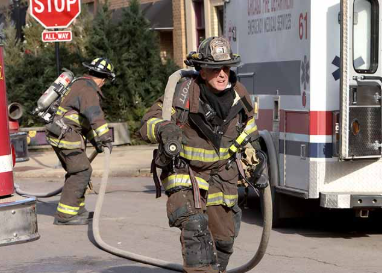
The foundation of Firehouse 51 has been violently shaken to its core, leaving the devoted fanbase of Chicago Fire in a state of collective mourning as they grapple with a narrative betrayal that feels less like a television plot twist and more like the sudden, devastating loss of a family member. In an episode that will undoubtedly be canonized as the most harrowing hour in the series’ storied history, a routine rescue mission—the kind that these heroes have performed a thousand times with practiced precision—spiraled into an unimaginable catastrophe, claiming the life of one of the firehouse’s most cherished icons. The tragedy was not merely an act of dramatic convenience; it was a brutal, visceral reminder of the fragile, razor-thin margin between the heroism these men and women exhibit daily and the lethal reality that stalks them into every burning building. Viewers watched in stunned, breathless silence as the chaos unfolded, the screen becoming a mirror for the collective horror of the team, as the sacrifice that has always defined the ethos of 51 was demanded in the most final and unforgiving of ways.
The aftermath was immediate and deafening, with social media platforms erupting into a digital wake where longtime devotees articulated a shared trauma, labeling the installment the saddest in the show’s tenure while admitting to being left utterly broken by the loss of a character who had been a guiding light for so many seasons. This was not a character who merely occupied space; they were the heartbeat of the squad, the moral compass in the heat of the fray, and their absence leaves a void that feels almost structural, as if the very walls of the firehouse are echoing with the silence left in the wake of their departure.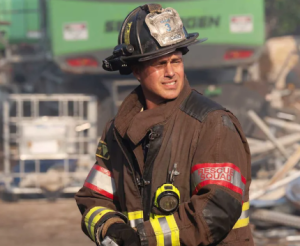
The emotional resonance of the episode was heightened by the impeccable performances of the remaining cast, whose raw, unfiltered displays of grief stripped away the stoic masks they typically wear to survive the horrors of the job, forcing the audience to bear witness to the terrifying intimacy of losing one of your own in the line of duty. This death acts as a harsh, unignorable inflection point for the series, one that signals the end of an era and the beginning of a significantly bleaker, more contemplative chapter for the ensemble. Relationships that were built on the bedrock of shared trauma and unwavering loyalty are now being tested by the corrosive acid of grief, with every member of Firehouse 51 being forced to navigate a personal labyrinth of “what ifs” and “should haves” that threatens to dismantle the unity they have spent years cultivating.
The narrative risk taken by the writers is monumental; by removing such a vital piece of the show’s DNA, they have permanently altered the chemistry of the house, ensuring that moving forward, every scene will be haunted by the ghost of the fallen, and every rescue will be underscored by the memory of the one they couldn’t save. It is a bold, albeit agonizing, creative choice that forces the show to mature, demanding that the survivors redefine not just their professional roles, but their very reason for stepping into the turnout gear each shift. The upcoming episodes are poised to be a slow-burn study in the aftermath of trauma, focusing on how a group of people who are trained to fix everything must confront the one thing they are completely powerless to heal: a permanent, irreversible absence. The legacy of this hero will not be found in a plaque on the wall or a speech at a funeral, but in the lingering, heavy silence that now hangs over the squad room, and in the renewed, perhaps more desperate, ferocity with which the remaining team will tackle the dangers ahead. 
Chicago Fire has always navigated the dangerous currents of life and death, but this loss feels different—it feels like a fundamental restructuring of the show’s reality, a testament to the fact that while the fires can be extinguished, the marks they leave on the human spirit are eternal. For the fans, the heartbreak is compounded by the knowledge that this wasn’t just a character disappearing into the background; it was a soul-deep connection severed, a voice silenced, and a presence whose warmth had provided comfort even during the show’s darkest hours. As the production moves into this new, uncharted territory, the creative team faces the daunting task of honoring that memory without letting it paralyze the momentum of the series, ensuring that the sacrifice made on that fateful rescue operation serves as a catalyst for growth rather than just a tragic conclusion. The tragedy has already been cemented as one of the most unforgettable, defining moments in the series’ history, proving that even a decade into its run, Chicago Fire still possesses the power to shatter the hearts of its viewers with a single, brutal, and brilliantly executed turn of events. The road to recovery for the team at 51 will be long, arduous, and fraught with the kind of intense, character-driven drama that made fans fall in love with the show in the first place, but for now, there is only the collective, heavy grief of a fanbase that, like the characters they watch, is trying to figure out how to stand back up when the world has been knocked out from under them.