
NBC Just Made a Major Decision About the Entire One Chicago Universe
For more than a decade, the One Chicago franchise has remained one of the most successful television universes on network TV. Built around intense emergencies, emotional storytelling, and unforgettable characters, the franchise continues to dominate primetime with three powerhouse dramas: Chicago Fire, Chicago P.D., and Chicago Med.
Now, NBC has made a major decision that could shape the future of the entire One Chicago universe for years to come — and fans are already reacting in a big way.
The network’s latest move confirms that NBC still sees enormous value in producer Dick Wolf’s interconnected franchise. However, the decision also comes with important questions about cast exits, budgets, crossover events, and the long-term direction of the beloved series.
Here’s everything we know so far.
NBC Is Doubling Down on the One Chicago Franchise
Despite ongoing changes across the television industry, NBC has officially reaffirmed its commitment to the One Chicago universe.
In an era where many broadcast dramas are being canceled or shortened due to rising production costs and streaming competition, the renewal and continued investment in all three Chicago shows is a significant statement from the network.
The One Chicago lineup has consistently delivered strong ratings, loyal fan engagement, and reliable streaming numbers. Week after week, the franchise remains one of NBC’s biggest assets.
That consistency matters.
While many long-running TV franchises eventually lose momentum, One Chicago continues to attract viewers because of its unique formula:
- Emotional character-driven storytelling
- High-stakes emergency situations
- Interconnected crossover episodes
- Strong ensemble casts
- A realistic portrayal of first responders and medical professionals
NBC clearly understands that the franchise still has enormous value both on traditional television and streaming platforms.
Why the One Chicago Universe Still Works
One of the biggest reasons the franchise remains successful is its shared universe format.
Unlike many procedural dramas that exist independently, the Chicago series constantly interact with each other. Characters move between shows, major emergencies affect multiple departments, and crossover events create a cinematic television experience that fans genuinely love.
When a disaster strikes in Chicago, viewers often see:
- Firefighters responding first
- Doctors treating victims at the hospital
- Police officers investigating the crime afterward
That structure creates a level of continuity that keeps audiences emotionally invested.
Shows like Law & Order: Special Victims Unit and NCIS have also built successful franchises, but One Chicago feels uniquely connected because the characters frequently operate in the same emotional world.
Fans don’t simply watch one show.
They follow an entire television ecosystem.
Chicago Fire Remains the Heart of the Franchise
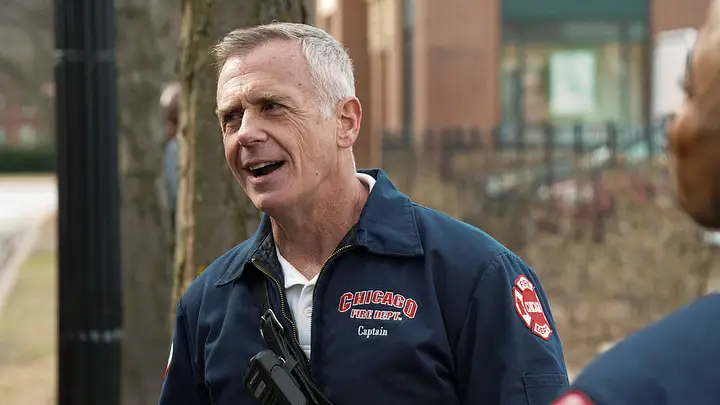
Among all the One Chicago series, Chicago Fire is still widely considered the emotional center of the universe.
Since its debut in 2012, the series has introduced viewers to Firehouse 51 and some of the franchise’s most iconic characters.
The show has survived major cast exits, shocking deaths, and dramatic leadership changes over the years, but it continues to remain incredibly popular.
Part of that success comes from the show’s balance between action and personal storytelling.
Fans tune in not only for explosive rescue scenes but also for the emotional relationships between the firefighters, paramedics, and rescue squad members.
NBC’s latest decision strongly suggests that the network still views Chicago Fire as one of its most dependable long-running dramas.
Chicago P.D. Continues to Deliver Intense Drama
Chicago P.D. has evolved significantly since its early seasons.
Originally known for its darker and more aggressive storytelling style, the series has gradually shifted toward more emotional and character-focused narratives while still maintaining intense police investigations.
The Intelligence Unit remains one of the franchise’s most compelling teams, largely because of its morally complicated leadership and high-pressure cases.
Over the years, fans have watched the show tackle topics such as:
- Police reform
- Corruption
- Trauma
- Loyalty
- Justice versus revenge
The series continues to spark strong conversations online, helping maintain its relevance in a changing television landscape.
NBC’s continued support for Chicago P.D. signals confidence that audiences are still deeply invested in these characters.
Chicago Med Has Quietly Become a Ratings Powerhouse
While Chicago Med sometimes receives less attention than its sister shows, the medical drama has quietly become one of NBC’s most reliable performers.
Medical dramas remain incredibly popular with audiences, and Chicago Med benefits enormously from the emotional intensity of hospital storytelling.
The series constantly balances:
- Emergency medical crises
- Ethical dilemmas
- Romantic storylines
- Hospital politics
- Psychological trauma
Because healthcare stories are universally relatable, Chicago Med often appeals to viewers beyond the core One Chicago fanbase.
That broad audience reach likely played a major role in NBC’s decision to continue investing in the franchise.
The Television Industry Has Changed Dramatically
NBC’s decision becomes even more important when viewed within the larger television landscape.
Network television is no longer as dominant as it once was.
Streaming platforms have completely transformed how audiences consume entertainment. Many viewers now binge-watch shows instead of following weekly broadcast schedules.
As a result, networks have become far more cautious with expensive scripted programming.
Long-running dramas face several major challenges:
1. Rising Production Costs
Veteran cast members often negotiate larger salaries over time, making established shows more expensive each season.
2. Shorter Seasons
Networks increasingly reduce episode counts to manage budgets.
3. Streaming Competition
Platforms like Netflix, Amazon MGM Studios, and Disney+ compete aggressively for audience attention.
4. Audience Fragmentation
Viewers now have thousands of entertainment options available at all times.
Despite those challenges, NBC still believes One Chicago remains worth the investment.
That says a lot about the franchise’s stability.
Could Budget Cuts Affect the Franchise?
Even though NBC remains committed to One Chicago, fans are still concerned about possible budget reductions.
Recent years have already brought noticeable changes across network television.
Some common cost-saving strategies include:
- Fewer episodes
- Reduced crossover events
- Smaller recurring casts
- Limited filming locations
- More character exits
Several beloved One Chicago actors have already departed over the past few seasons, leading fans to worry about the long-term future of certain storylines.
Budget adjustments do not necessarily mean the franchise is in danger, but they could influence how future seasons are structured.
NBC may prioritize maintaining all three shows rather than dramatically expanding them.
Fans Are Concerned About Cast Exits
One of the biggest ongoing conversations surrounding One Chicago involves cast turnover.
Long-running television dramas often experience major casting changes as actors pursue new opportunities or renegotiate contracts.
Over the years, One Chicago has lost numerous fan-favorite characters, yet the franchise has consistently managed to reinvent itself.
Still, every departure impacts viewers emotionally.
Fans become attached to these characters after spending years following their journeys.
Social media reactions to NBC’s latest decision have largely been positive, but many viewers are also asking important questions:
- Which actors are returning?
- Will more major characters leave?
- Are crossover events coming back?
- Could one show eventually end before the others?
Those concerns remain central to the future of the franchise.
Crossovers Are a Huge Part of the Franchise’s Success

One Chicago crossovers have historically been some of the franchise’s biggest television events.
These episodes create excitement because they bring together characters from all three shows during major emergencies or citywide crises.
Fans love seeing firefighters, police officers, and doctors working together under pressure.
However, large crossover events are expensive and logistically difficult to produce.
As television budgets tighten, NBC has reduced the frequency of these multi-show events.
That has disappointed many longtime viewers.
Still, fans continue hoping NBC’s renewed commitment to the franchise could eventually lead to bigger crossover stories again.
Dick Wolf’s Television Empire Remains Extremely Powerful
Producer Dick Wolf remains one of the most influential creators in television history.
Beyond One Chicago, Wolf oversees multiple major franchises, including:
- Law & Order
- FBI
- Law & Order: Organized Crime
His procedural storytelling model continues to work because audiences enjoy emotionally familiar yet constantly evolving narratives.
NBC’s decision regarding One Chicago also reflects the network’s long-standing partnership with Wolf Entertainment.
That relationship remains incredibly valuable for NBC’s primetime strategy.
Streaming Has Given One Chicago a Second Life
Another major reason NBC continues supporting the franchise is streaming performance.
Many viewers now discover One Chicago through streaming services rather than live television broadcasts.
Binge-watching has introduced the franchise to entirely new audiences.
Viewers can now follow long-running character arcs more easily, making the emotional storytelling even more effective.
Streaming also helps older episodes remain profitable long after their original air dates.
This extended lifespan makes franchises like One Chicago far more valuable than traditional ratings alone might suggest.
What Happens Next for the Franchise?
NBC’s decision sends a clear message:
The network still believes One Chicago is one of the strongest brands in television.
However, the future will likely involve careful balancing between creative storytelling and financial realities.
Fans should probably expect:
- More character-focused storytelling
- Strategic crossover events
- Potential cast rotations
- Budget-conscious production decisions
- Continued franchise stability
At the same time, One Chicago still possesses something many modern TV franchises struggle to maintain:
A deeply loyal fanbase.
That loyalty gives NBC strong motivation to keep the universe alive.
Why Fans Continue Supporting One Chicago
The success of One Chicago ultimately comes down to emotional connection.
These shows are not just about emergencies.
They are about teamwork, sacrifice, friendship, trauma, resilience, and family.
Viewers grow attached to these characters because they feel human.
Whether it’s a firefighter risking everything during a rescue, a doctor making an impossible medical decision, or a detective confronting moral ambiguity, the franchise consistently delivers emotionally engaging storytelling.
That emotional investment is difficult to replicate.
And it explains why NBC continues betting heavily on the future of the One Chicago universe.
Final Thoughts
NBC’s major decision regarding the entire One Chicago universe is ultimately very good news for fans.
At a time when many television franchises are shrinking or disappearing entirely, NBC has chosen to continue supporting one of its biggest and most dependable entertainment brands.
While challenges such as budget concerns, cast changes, and industry shifts remain very real, the future of One Chicago still appears strong.
For now, fans of Chicago Fire, Chicago P.D., and Chicago Med can feel optimistic.
The One Chicago universe is far from over.